Computer Vision in Retail: Real-World Applications and Implementation Guide Overview
Summarize and save time
The retail industry is moving fast, and the growing prominence of computer vision solutions is changing everything. Cameras are no longer doing the traditional recording alone; they are empowering the stores to run better and more effectively with real-time data insights.
Computer vision is the MLOps backbone that delivers real and impactful results by cutting manual work, making stores efficient with inventory management, and improving customer experience with automated checkouts. The evolution of computer vision in retail space is rapid and strong in the tech-savvy era.
Key Takeaway
The retail computer vision market is expected to grow fast and reach a projection of USD 12.56 billion by 2033.
According to Gartner, the AI-related investments in retail are likely to grow at nearly 25% annually.
Asia Pacific is by far the fastest-growing market for computer vision in retail.
The increasing demand for automated solutions is expected to propel the growth of AI solutions in retail.
By 2030, the market size for computer vision in retail is expected to witness a CAGR of 23.5%.
Expert Insight
I've done quite a number of computer vision projects for retail companies, but there are some projects that really make an impact, and they all have one thing in common: the model integrates seamlessly with their current POS and inventory system, and the team has absolute confidence in what the model tells them. Installing the cameras and setting up the algorithms? It's the easy part. The hard part is making sure everything works together and the people are prepared to take action. This is where most out-of-the-box solutions fail, and this is where we focus most of our efforts."

Consider this article as your blueprint to harness the power of computer vision in retail. If you are looking for top AI consulting services in New York, you must connect with the computer vision engineers at Prakash Software Solutions. Get actionable computer vision solutions with their 25+ years of expertise in serving a global clientele.
Overview of Computer Vision Consulting Services in Retail
Let’s first begin with the basics of what computer vision in retail actually means.
Computer Vision is a widely regarded subset of Artificial Intelligence (AI) that helps machines see, interpret, and process visual data like humans. By utilizing cameras, sensors, and smart algorithms, these systems process images and videos for analyzing customer behavior, optimizing product placement, and delivering customized shopping experiences.
The key components of computer vision in retail include cameras and sensors, ML algorithms, integration with retail systems, and data processing units like GPUs and cloud-based systems.
Benefits of Empowering Your Retail Operations with AI Solutions in Retail
In the retail industry, computer vision consulting services are particularly valuable for addressing distinct challenges such as inventory management, customer engagement, and operational inefficiencies.
AI solutions in retail convert cameras into smart helpers in the retail sector with the following benefits:
- It helps drastically reduce theft by spotting shoplifters grabbing items without paying. There are no more chances of mystery shrinks as cameras alert the staff beforehand.
- Computer vision highlights the busy aisles in the camera clicks. This gives retailers an idea of how long customers stay at a specific aisle to predict the demand for products. Moreover, it also helps display the best sellers in spots where they will sell more and alerts the staff to restock the empty aisles to avoid missing sales due to out-of-stock reasons.
- Self-scan checkouts help eliminate long queues with automatic scanning of products. Customers grab and go, which reduces the need for more store staff and helps the existing staff to efficiently handle more shoppers per hour.
- When staff know that their movements are under CCTV surveillance, they are more alert to be productive and efficient. Retailers can schedule better shifts by tracking the task time and cutting labor costs when needed.
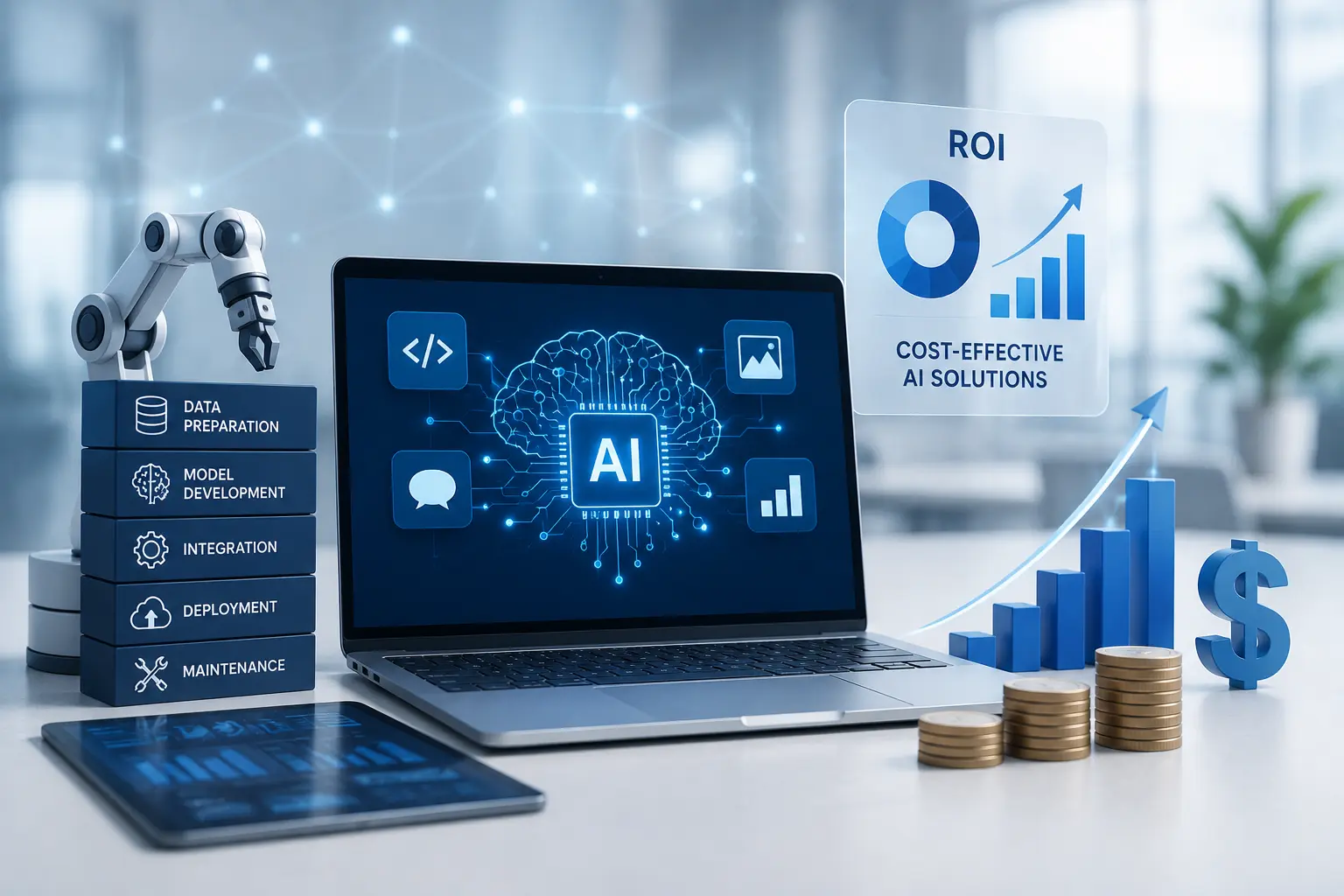
- There are several cost-effective benefits of computer vision solutions, such as reduced labor costs, improved ROI, sustainability, and scalability.
Besides retail, computer vision also has several other applications that benefit various industries, such as:
- Healthcare
- Manufacturing
- Automotive
- Agriculture
- Security
- And many more
- Retail AI Solutions
See how PSSPL Powers Retail Operations with Computer Vision
From loss prevention to frictionless checkout — explore our end-to-end computer vision consulting services.
23.5%
CAGR growth in retail CV market by 2030
$12.56B
projected retail CV market size by 2033
25%
annual growth in retail AI investment
25+
years of AI expertise with a global clientele
Trusted by global retailers · Certified AI engineers · Enterprise-grade solutions
Top 5 Real-World Use Cases of Computer Vision in Retail
Computer vision is not a single technological advancement, but it’s a strategic collection of capabilities that unify to address the complex retail problems. Computer vision in retail is transforming the way retail teams function by speeding up operations with real-time visual intelligence.
Let’s look at the following use cases to understand how retailers have already put computer vision solutions into action:
(1) Loss Prevention Through Smart Surveillance
Retail shrinkage is a serious concern that costs billions of dollars every year. Loss prevention in the modern-day world can’t be ensured by traditional security cameras alone. They often fail at early detection of issues, which is why AI-powered solutions like computer vision have taken over the territory.
Retailers can spot anomalies or suspicious behavior in advance with the help of computer vision. This is ensured in real-time before it gets too late so that losses don’t multiply, and customers don’t feel insecure. By identifying unusual patterns such as removing securing tags, unusual movements near the high-value items, etc., computer vision systems alert the security personnel about the same.
Business benefits of computer vision consulting services:
- Early detection of potential theft.
- Agile alerts are sent to store staff.
- Reduced shrinkage from self-checkout.
- There is clear evidence for the teams to review and decide when such incidents take place.
Real-world implementation:
Amazon utilizes computer vision for loss prevention and theft detection with “Just Walk Out” technology.
(2) Understanding Customer Behavior Patterns
Computer vision in retail can track the user’s activities by gathering real-time insights of what customers are looking for, where they are looking for it, how long they spend examining the products, and which displays generate the highest engagement. This gives retailers an idea of when shoppers move, where they pause, and how they interact with the products. The foot traffic data helps retailers design layouts that align with how people naturally shop, to maximize product placement and store layout optimization. Business benefits of computer vision in retail:- Improved store layouts designed based on real shopper patterns.
- Smart staffing during peak business hours.
- A data-driven approach in store design also helps increase conversion rates.
Real-world implementation:
Fashion retailer Uniqlo uses heat-mapping technology to identify which displays attract the highest customer attention and then adjust their visual merchandising accordingly.
(3) Frictionless Checkout Experiences
Computer vision solutions make it possible for customers to skip the long lines at retail shops and use automated self-checkout systems. Without the need for traditional scanning and checkout, customers can simply pick up items and leave. By using multiple cameras and sensors, computer vision systems track what a customer selects from the shelf, match it to their account, and automatically charge the transaction when they exit without stopping them. This offers a smooth in-store shopping experience for the users and frees the staff to focus on other operations instead of checkout. Business benefits of AI solutions in retail:- Shorter queues with reduced wait times.
- Improves customer satisfaction.
- Retailers can operate with fewer staff members while ensuring quality service.
- Fewer errors compared to manual screening.
- It is especially helpful to deliver high output during peak shopping hours.
Real-world implementation:
Retailers like 7-Eleven and Circle K have implemented cashier-less checkout systems.
(4) Automated Inventory and Shelf Management
An out-of-stock label can cost more than one sale, compelling the customers to check out other stores. Retailers also end up losing sales when products are misplaced or mispriced. Smart shelves that are equipped with computer vision solutions, such as weight sensors and cameras, can automatically detect products that are running low in stock. This real-time inventory tracking flags gaps and triggers the reordering systems. This way, the staff can respond faster in ensuring that popular products stay available, and shoppers get the products they need. Business benefits of computer vision systems:- Fewer out-of-stock instances.
- Accurate pricing and shelf labeling.
- Reduced time in running manual audits.
Real-world implementation:
Walmart tested computer vision-enabled shelf scanning with in-store robots to identify inventory discrepancies.
(5) Quality Control with Smart Store Operations
Retail floors keep changing constantly, and computer vision in retail streamlines behind-the-scenes operations by ensuring quality control. Computer vision systems can inspect the incoming products for damage, sort the merchandise by type or size, and verify correct order packing before they are shipped. Additionally, computer vision keeps a real-time watch to avoid issues like spills, fallen items, blocked aisles, or equipment failures in the store. By sending out alerts to the team, problems get fixed before they become a safety concern and disrupt customer satisfaction. Business benefits:- Faster response to in-store hazards.
- Clean and safe shopping environment.
- Less time needed for manual floor checks.
- Consistency in store standards across all locations.
Real-world implementation:
Kroger, a grocery chain, utilizes computer vision solutions to identify produce quality and ensure optimal freshness on the store shelves.
Challenges and Considerations of Computer Vision in Retail
No technology can be implemented without a few challenges and considerations to keep in mind. There are setbacks when it comes to technological advancements, and computer vision in retail is no exception.
(1) Data Privacy and Ethical Consideration
Computer vision solutions are designed based on detailed information about user behavior, expectations, and buying patterns. Maintaining customer trust is therefore essential, and this requires retailers to comply with the privacy regulations such as GDPR and CCPA.
Focusing on anonymized data collection can be a smart implementation practice that clearly conveys what information is being gathered and how it will be used. Draft clear privacy notices for the customers and implement strong data security and encryption protocols to protect sensitive customer data.
(2) Cost and Scalability
The initial investment in computer vision solutions can seem significant, with several requirements such as hardware installation, staff training costs, and buying software licenses.
Retailers can begin with the implementation of computer vision in retail by running pilot programs for specific locations or use cases before launching it system-wide. Additionally, cloud-based computer vision services provide flexible pricing models and convenient scalability, making the technology easily accessible to retailers.
(3) Seamless Integration in the Existing Retail Systems
Most retailers have established inventory management platforms and customer relationship management systems. It’s important to ensure that computer vision AI solutions in retail can seamlessly integrate with the existing systems to ensure optimal operational value.
This can be attained by using middleware and API connectors to integrate computer vision solutions into existing retail management systems for a smooth data flow.
(4) Ongoing Maintenance
To ensure that computer vision systems operate smoothly, regular efforts are needed. Plan weekly camera wipes, have the tech teams watch for software glitches, conduct check-ins every 3 months with new footage, etc.
It’s smart to set aside a fixed percentage for setup costs every year to have the technology deliver long-term benefits.
(5) Organizational Readiness
Simply buying cameras doesn’t make your team ready for computer vision solutions. Conduct training sessions to provide hands-on experience so that the team feels confident in using the systems and doesn’t second-guess them. Show real examples to ensure goal alignment and flag security issues, if any.
Implementation Roadmap for Computer Vision Consulting Services in Retail
A structured approach is the key to ensuring the successful implementation of computer vision in retail.
- It should begin with the identification of specific business goals and pain areas that can be addressed with computer vision solutions.
- Then retailers must evaluate the options in terms of the vendors and platforms available based on an analysis of the technical requirements, budget constraints, and timeline.
- Run a structured pilot program for a specific location or use case. Consider this like A/B testing, where retailers can test the computer vision solutions, train the staff, and refine the process before launching it in real-time.
- Customize the model based on your requirements because off-the-shelf solutions can rarely perform adequately without domain adaptation.
- Design the integration layer so that integration is smooth and seamless to foster trust and deliver an operationally real system.
- Once you have evaluated and validated the value in the pilot, document everything in a rollout plan for implementation. Also, ensure constant monitoring of ROI and make improvements as and when needed.
The Future of Computer Vision in Retail
The adoption of computer vision in retail is projected to expand in the years to come. With a focus on sustainability and enhanced customer experience, computer vision will become mainstream for retailers.
It’s also projected that computer vision will seamlessly integrate with IoT devices, facilitating smart retail environments. Several emerging technologies in computer vision include:
- AI-powered personalized recommendations.
- Local data processing and real-time decision making with edge computing.
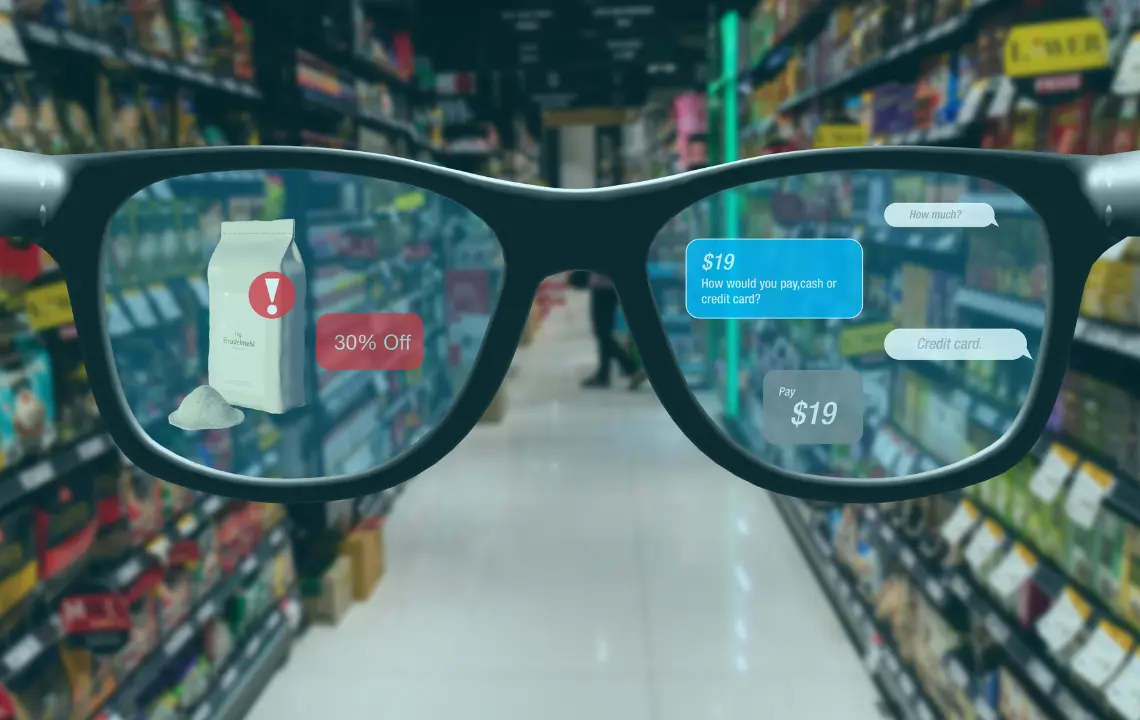
- Rendering immersive shopping experiences by combining computer vision with AR.
- Enhancing store layout optimization with 3D vision.
Conclusion: Getting Started with Store AI Upgrades
The path from idea to real-time adoption and implementation is not easy. When you are considering implementing computer vision in retail, your strategy, execution, and the company you choose make all the difference. Each choice must align with the retail operations to ensure long-term success.
Prakash Software Solutions Pvt. Ltd. (PSSPL) supports retailers in empowering their operations with computer vision solutions. As a trusted company offering AI consulting services in New York, PSSPL designs customized computer AI solutions in retail. Their team of certified AI engineers can help you move from planning to execution with confidence and enterprise-grade solutions.
With 25+ years of experience as an AI development company, PSSPL can help assess your infrastructure readiness and develop computer vision systems that are market ready.
I've done quite a number of computer vision projects for retail companies, but there are some projects that really make an impact, and they all have one thing in common: the model integrates seamlessly with their current POS and inventory system, and the team has absolute confidence in what the model tells them. Installing the cameras and setting up the algorithms? It's the easy part. The hard part is making sure everything works together and the people are prepared to take action. This is where most out-of-the-box solutions fail, and this is where we focus most of our efforts.